The Application and Hydrophilicity of Turquoise Pigments
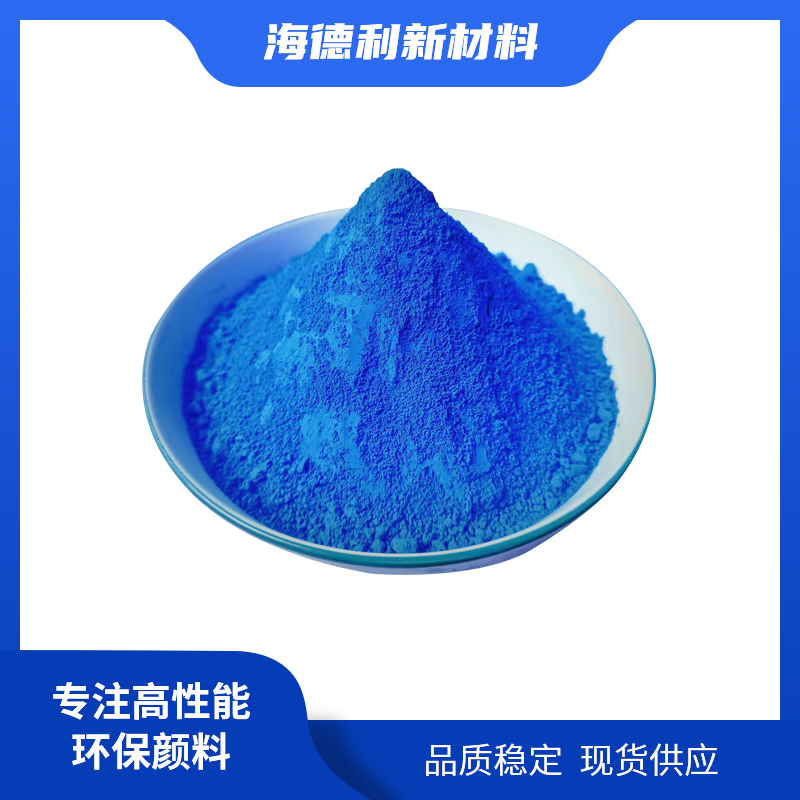
Qunqing pigment is an inorganic blue pigment. The paint industry is used to manufacture colored paints, making the whiteness more vivid

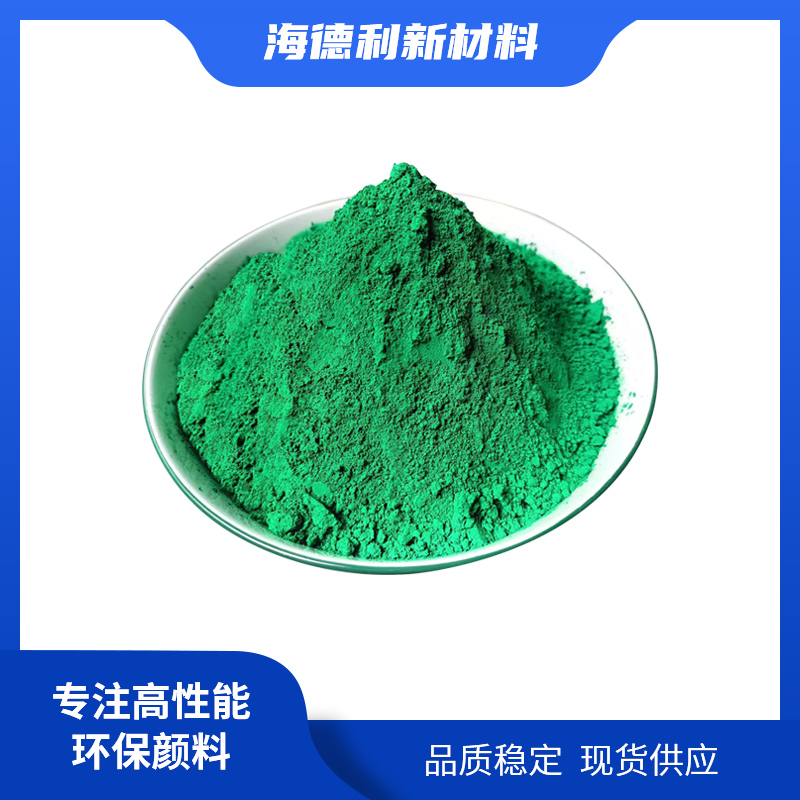
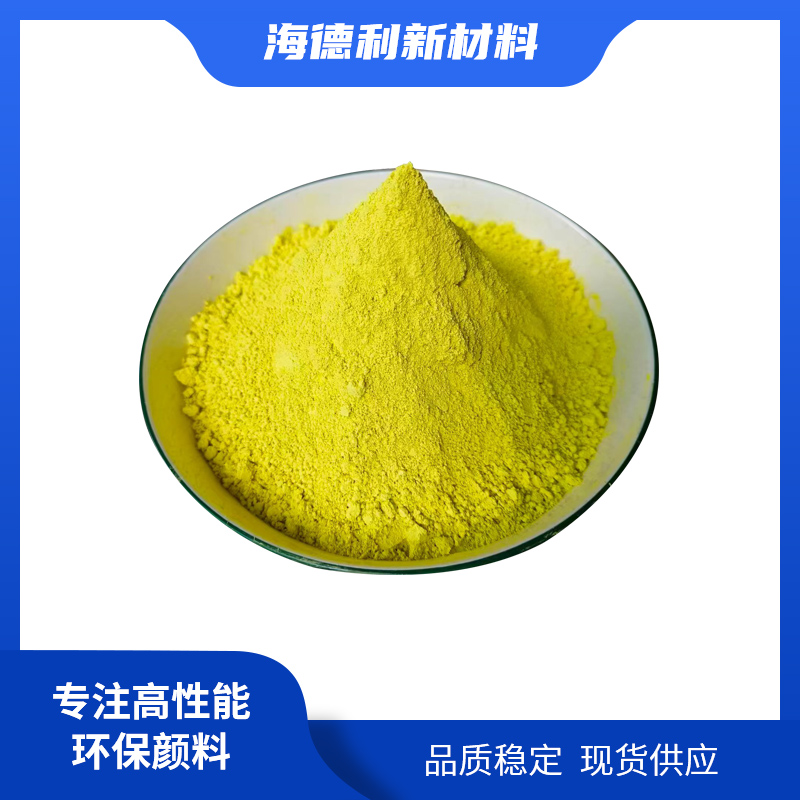
The rubber industry is used for coloring, whitening, or blending with yellow pigment to create a grass green color for rubber products such as shoe soles and rubber sheets. The paper industry uses it in pulp to produce bright white or blue pulp. The printing and dyeing textile industry uses white cotton and knitted fabrics to increase fiber whiteness and print trademarks on knitted fabrics
The pigment industry is used for coloring oil paints and as a whitening agent for white pigments. The plastic industry is used for coloring, splicing, and whitening plastic products and synthetic leather. Used in the construction industry for coloring cement bricks and artificial marble. In addition, Qunqing can also be used as an anti-aging agent for perfluorocarbon resin, a hydrogenation cracking catalyst, and for adsorbing uranium from seawater
Qunqing pigment is a non-toxic inorganic pigment, a blue powder, with a bright and fresh color tone that cannot be compared to other blue colors, and even cannot be mixed
Turquoise pigments are insoluble in water. Has the ability to eliminate and reduce yellow light in white coatings or other white materials. Low coloring and covering power, poor corrosion resistance. Resistant to alkali and high temperature, extremely stable to sunlight and wind and rain in the atmosphere. Has good hydrophilicity, but is not acid resistant and will decompose and change color when exposed to acid

Mobile Site

Mobile Site
Mr. Ma +86 137-2817-9886
Address: No. 26, Qishi Section, Eastern Expressway, Qishi Town, Dongguan City, Guangdong Province, China
Copyright © 2025 Dongguan Haideli New Materials Co., Ltd. All rights reserved
【Backstage】