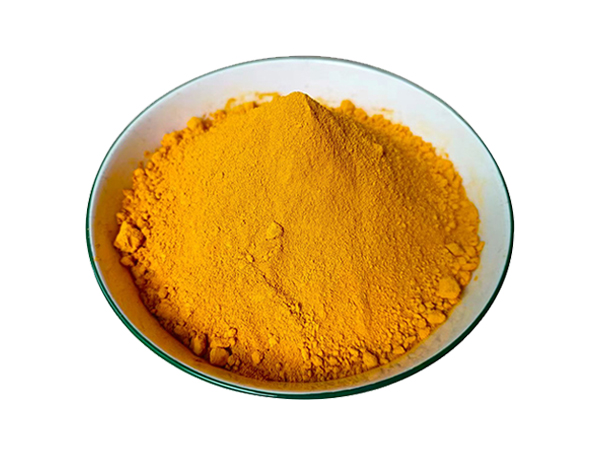
Cosmetics refer to two major categories of products: skincare and makeup. Skin care products include water, milk, essence, face cream, eye cream, etc., while cosmetics include foundation make-up, isolation, sunscreen, powder blusher, eye shadow, lipstick, set makeup, etc. In addition, cosmetics can be classified according to different effects, such as usage classification, dosage form classification, and object classification
Cosmetic coloring agents are an important component of cosmetics, classified according to their coloring methods, including dyes and pigments. Dyes refer to coloring agents that are soluble in the medium used, and can be divided into water-soluble dyes and oil soluble dyes based on their solubility. And pigments refer to coloring agents that are insoluble in the medium used, have good covering power, and can color other substances. Cosmetic pigments can be divided into two categories: organic pigments and inorganic pigments, each of which can also be further divided into natural and synthetic categories. Generally speaking, organic pigments are brighter and darker in color than inorganic pigments, while inorganic pigments are more stable
1、 The multiple effects of powders in cosmetics
In order to become a qualified cosmetic, it is not only necessary to have basic beauty functions (such as covering and coloring), but also to have multiple other functions, such as isolating ultraviolet rays, absorbing facial sweat and oil, providing comfortable touch, etc. The implementation of these important functions cannot be achieved without the addition of powder materials. Please refer to Table 1 below to understand the important role of powders in cosmetics
2、 Inorganic functional powders in cosmetics
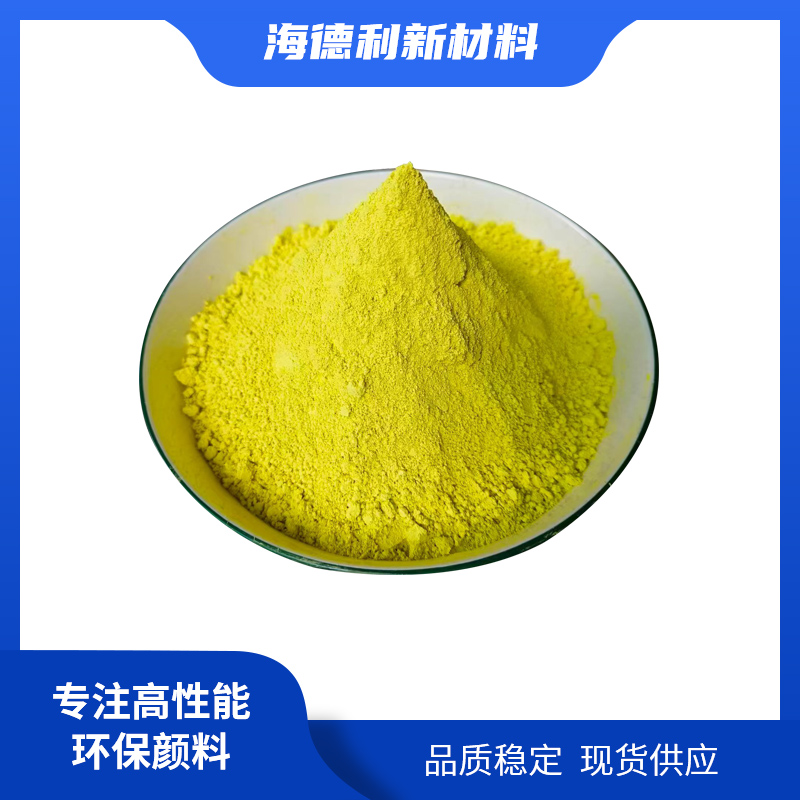
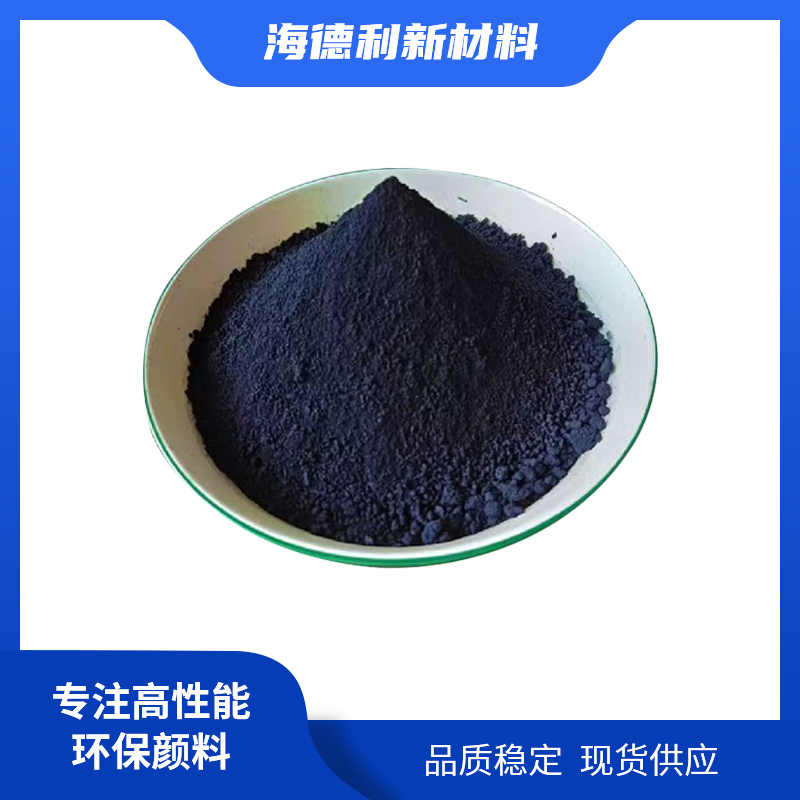
There are reportedly over 2500 types of raw materials in cosmetics, with about 100 types belonging to inorganic powders. These inorganic powders usually appear in the form of inorganic pigments, including coloring inorganic pigments and covering inorganic pigments. According to their different uses, they can be divided into body pigments, coloring pigments, gloss pigments, and white pigments. Cosmetics are mainly divided into basic beauty cosmetics and topical beauty cosmetics. The former is mainly used to adjust the color tone of the face and skin, while the latter emphasizes local colors, giving shadows or a sense of three dimensionality to display the individual's own local beauty
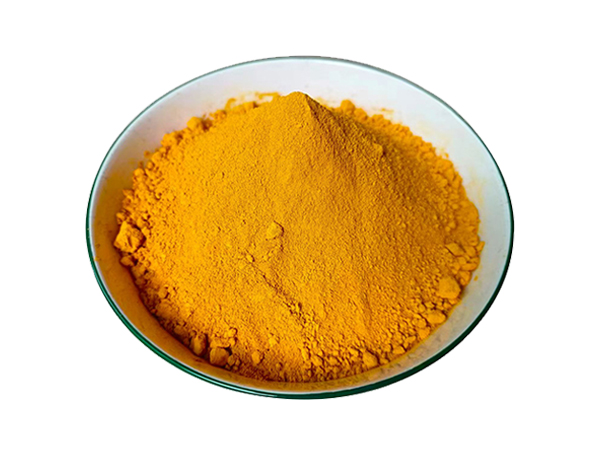
Conventional functional inorganic powders include bulk pigments, coloring pigments, and white pigments
Constitutional pigments are commonly used to adjust the color tone and lubricity of organic pigments, such as talc, mica, and kaolin
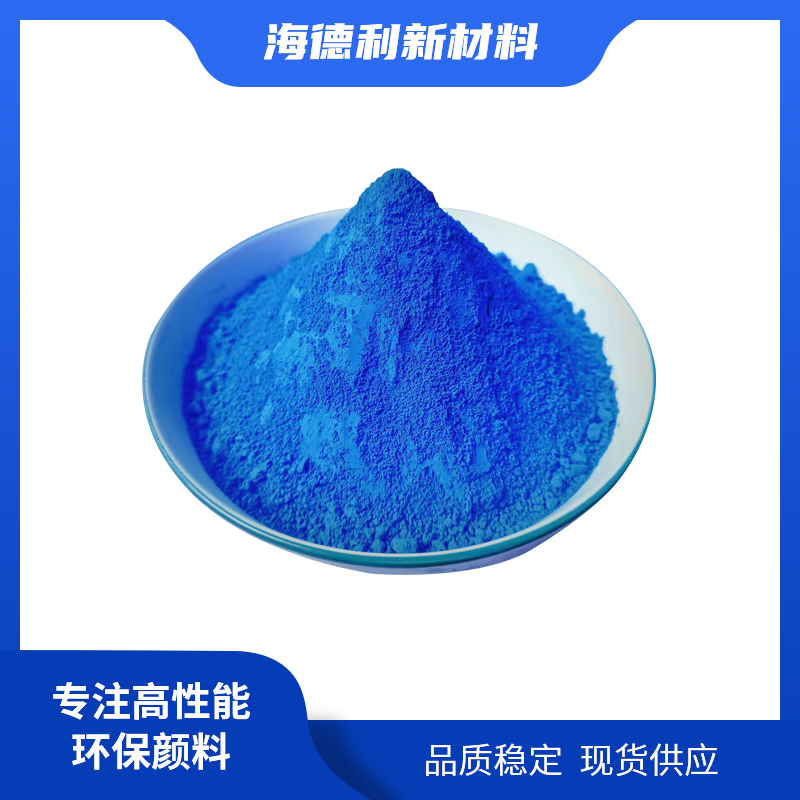
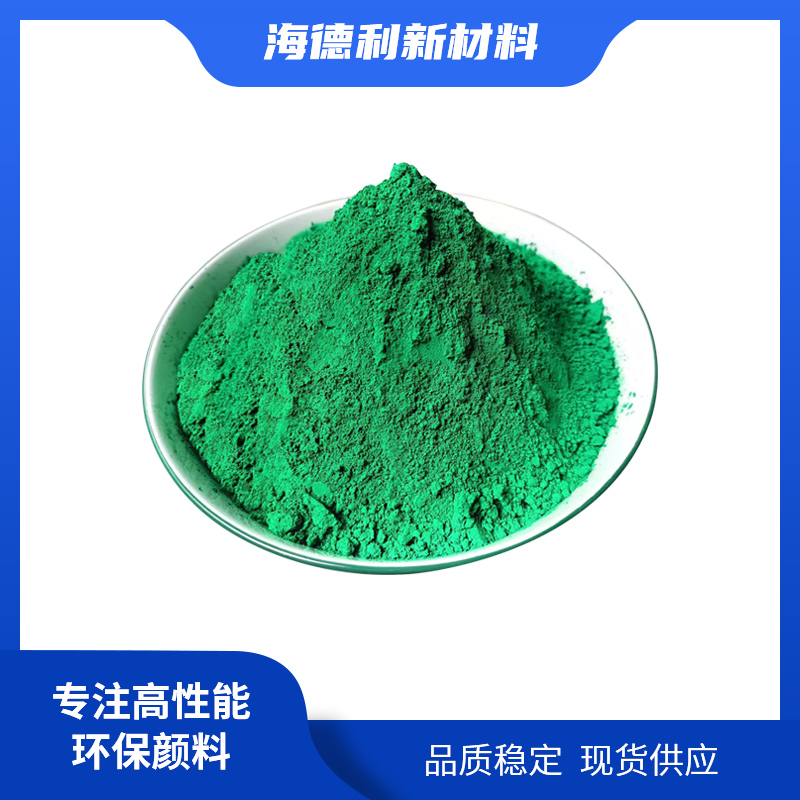
Colored pigments and colored inorganic pigments are commonly used coloring powders in cosmetics nowadays. Coloring powder is the most important raw material for blending skin color, and the base powder is usually adjusted with various pigments such as red, yellow, and black to achieve skin colors such as pink and brown. Green and blue pigments are commonly used in eyebrow cosmetics
Among white pigments, titanium oxide is one of the most important components, which is commonly used in foundation make-up cosmetics, with good optical properties and durability. Zinc oxide is also a commonly used white pigment, which not only has hiding power, but also has drying and anti-inflammatory effects

Mobile Site

Mobile Site
Mr. Ma +86 137-2817-9886
Address: No. 26, Qishi Section, Eastern Expressway, Qishi Town, Dongguan City, Guangdong Province, China
Copyright © 2025 Dongguan Haideli New Materials Co., Ltd. All rights reserved
【Backstage】