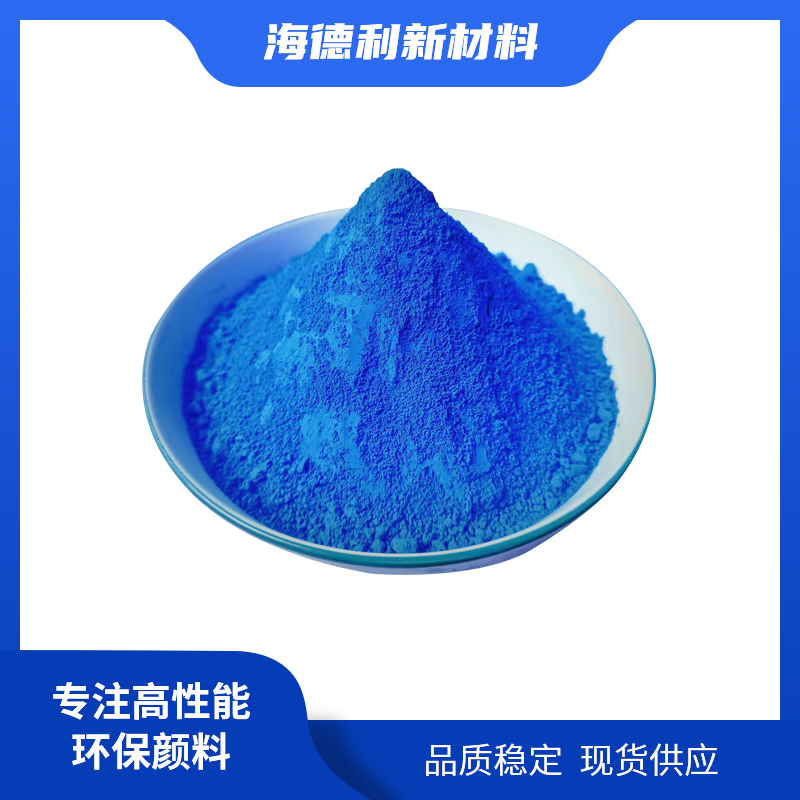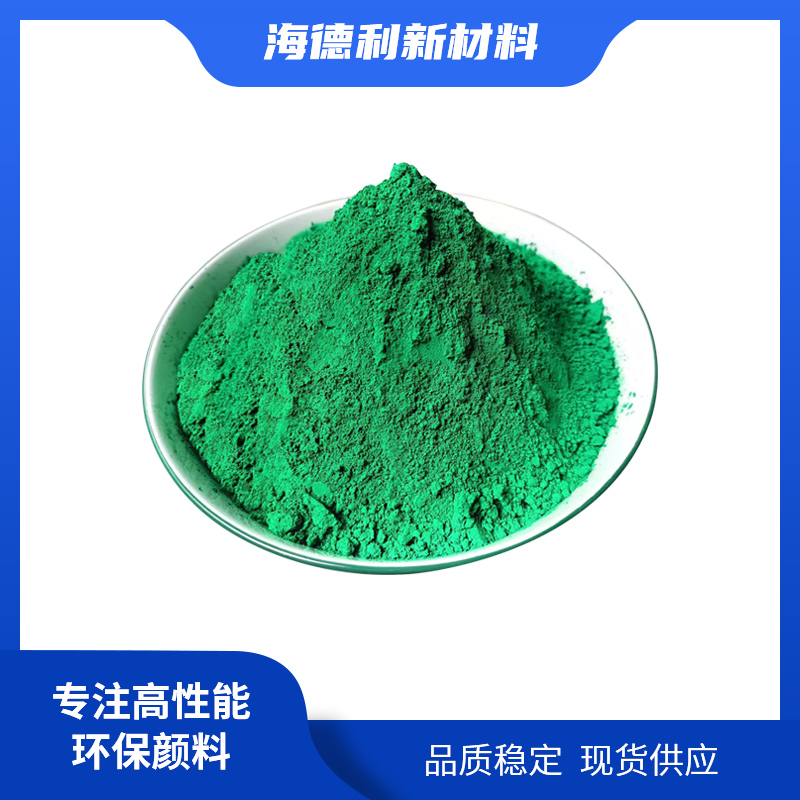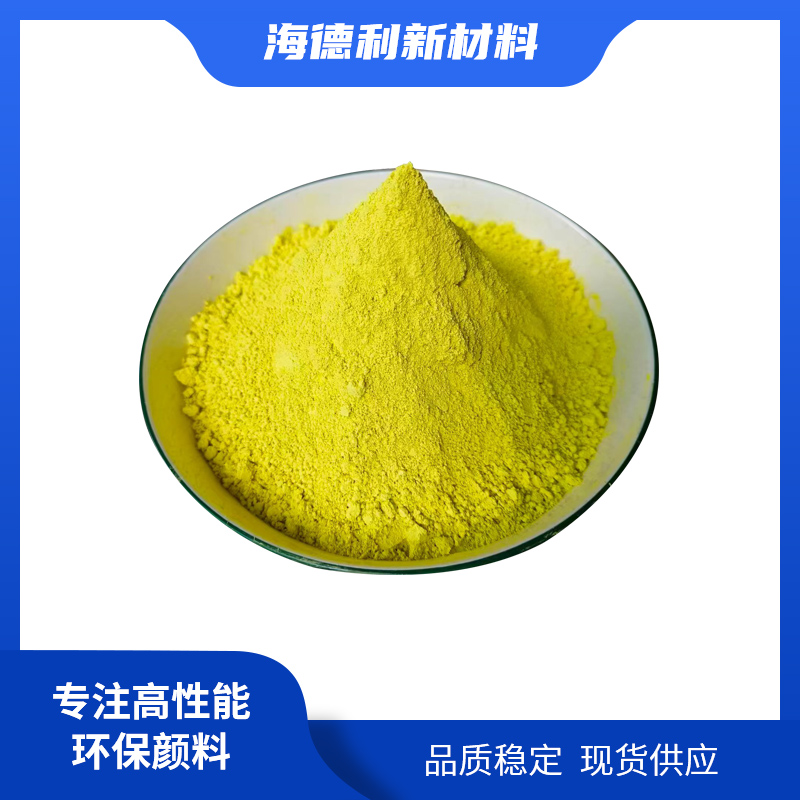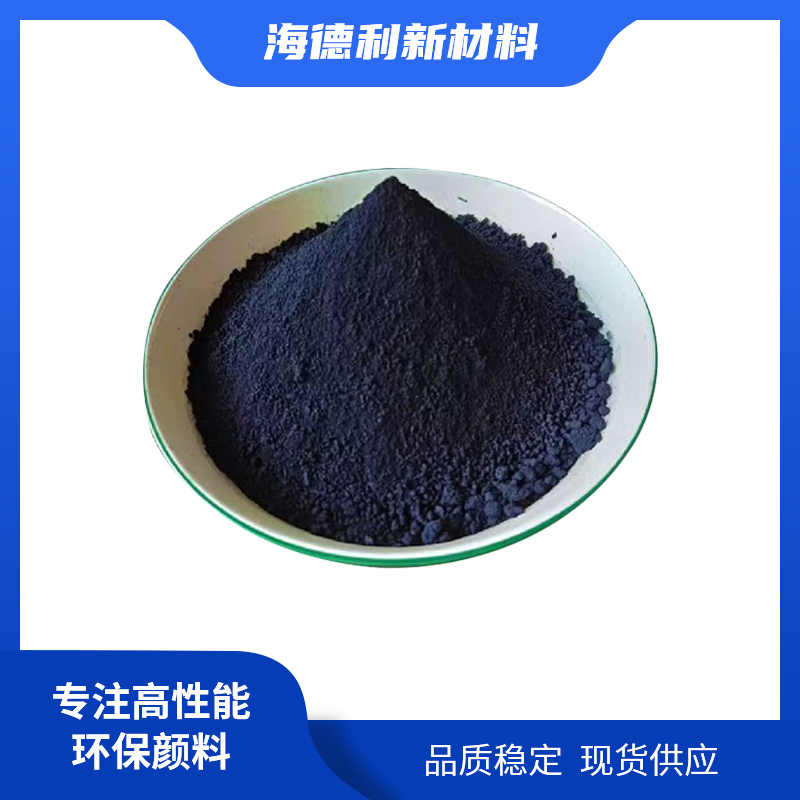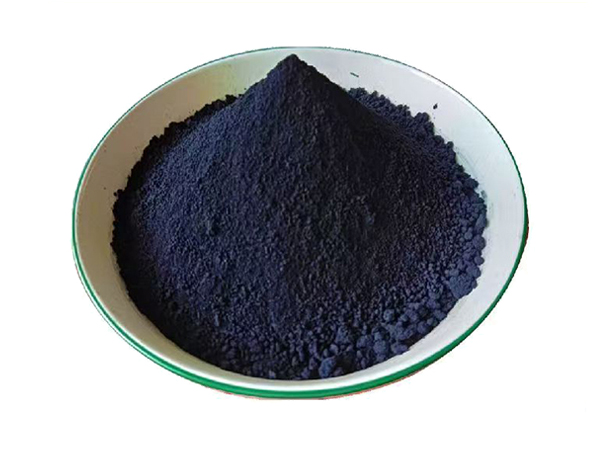
Metal oxide mixed phase pigments are internationally advocated low-carbon, environmentally friendly, non-toxic high-performance pigments, also known as MMO pigments, CICP pigments, or composite inorganic pigments at home and abroad. So metal oxide mixed phase pigments and composite inorganic pigments are actually the same type of pigment, but with different names
Metal oxide mixed phase pigments are based on metal ions such as zinc, iron, titanium, nickel, cobalt, manganese, trivalent chromium, and antimony, which exist safely in a stable lattice. This pigment can be used to formulate economical, stable, and innovative coatings for various colors (yellow, green, blue, brown, and black)
Using CICP composite inorganic pigments instead of organic pigments can achieve higher coating coverage because of its very low oil absorption, thus enabling higher pigment loading. Therefore, CICP composite inorganic pigments are often combined with organic pigments to produce brightly colored coatings, such as lead-free topcoats
In addition, due to their excellent light resistance, temperature resistance, chemical resistance (including acid and alkali), and weather resistance, CICP composite inorganic pigments are particularly suitable for coating applications that must meet high durability standards. For example, powder coatings, coil coatings, and baking paints, as well as plastic and exterior building products such as cement, concrete, roof tiles, and ceramic applications
What are the common metal oxide mixed phase pigments
Nickel rutile pigment and chromium rutile pigment are two representative metal oxide mixed phase pigments:
Nickel rutile pigment, also known as titanium nickel yellow pigment (pigment yellow 53), can present a light lemon yellow color tone. This pigment can be obtained in different particle sizes by changing its calcination temperature and time, and the higher the calcination temperature and the longer the time, the darker and redder the final product's color tone will be
Chromite pigment, also known as titanium chromium brown (titanium chromium brown 24), can range in color from light ochre to medium ochre. The product performance of this pigment can be further improved by applying higher temperatures and increasing calcination time, resulting in a darker and redder color
These two types of rutile yellow pigments have important applications in industrial and architectural coatings, as well as in the construction industry, especially for coil coatings on steel and aluminum, and can also be used in machinery, automobiles, or containers. In addition, they can also be safely applied in various plastic applications, such as rigid polyvinyl chloride for outdoor use, color masterbatch, and building products
Spinel pigment is another important metal oxide mixed phase pigment:
Among them, colors such as cobalt blue, cobalt chromium blue, and cobalt green are achieved by changing the trivalent chromium content in the crystal structure. For example, the color tone range of blue spinel pigment ranges from red to blue (pigment blue 28) to green to blue (pigment blue 36). Cobalt green is obtained by combining cobalt, zinc, aluminum, titanium, and nickel, and can present a bright green color
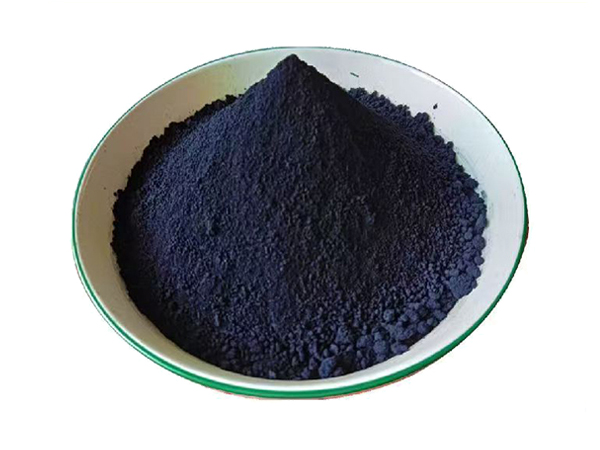
The typical application of spinel pigments is in situations that require high durability, such as coil coatings, external powder coatings, cement, architectural coatings, and concrete
Among them, brown spinel pigment and black spinel pigment are a type of metal oxide mixed phase pigment with special properties
The brown spinel pigment exhibits a color spectrum ranging from yellowish reddish brown to deep red reddish brown, and red reddish brown to brownish black. Compared to cheaper iron oxide pigments, iron chromium black (pigment brown 29) and iron zinc chromium brown (pigment brown 33) exhibit better performance in terms of stability, color tone, and rheology. Its typical applications include plastics, especially PVC, which have higher stability compared to iron oxide
Black spinel pigments include copper chromium black (pigment black 28), manganese iron black (pigment black 26), and cobalt black (pigment black 27) Compared to carbon black, black spinel pigments have slightly lower blackness and color intensity, but they are used for higher demanding applications to improve temperature and weather resistance stability. Therefore, they are often used in non stick cookware coatings, organic silicon high-temperature resistant coatings, coil coatings, and ceramic applications

Mobile Site

Mobile Site
Mr. Ma +86 137-2817-9886
Address: No. 26, Qishi Section, Eastern Expressway, Qishi Town, Dongguan City, Guangdong Province, China
Copyright © 2025 Dongguan Haideli New Materials Co., Ltd. All rights reserved
【Backstage】