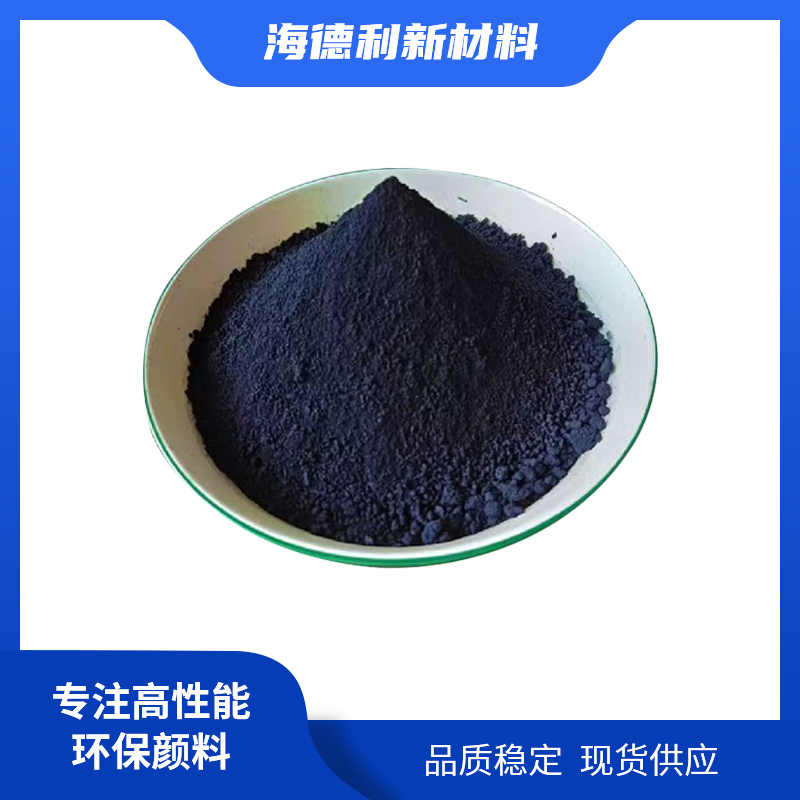
External reflective pigments are used for military equipment
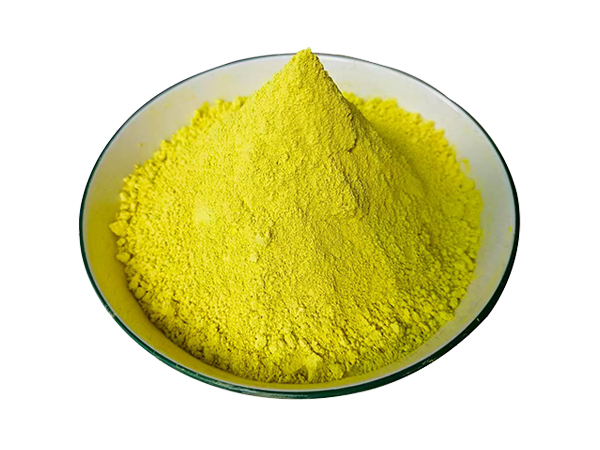
Infrared reflective pigments play a crucial role in military equipment camouflage. In terms of military vehicles, digital camouflage coatings made of infrared reflective pigments are widely used. Taking army equipment as an example, different colors of infrared reflective pigments are selected for spraying according to different combat environments, such as forests, deserts, grasslands, etc. For example, in forest environments, a combination of pigments such as medium green, dark green, brown earth, and loess may be used to better blend vehicles into the natural background. In the field of aerospace coatings, infrared reflective pigments are equally important. Spacecraft face various detection methods in space, and infrared reflective pigments can help reduce the probability of being discovered. For example, using specific infrared reflective pigments and absorbing stealth pigments can reduce the reflection of spacecraft in the infrared band and radar waves, and improve their concealment. According to statistics, the probability of military equipment using infrared reflective pigments being detected by enemy reconnaissance equipment can be reduced by more than 30%
Infrared reflective pigment functional clothing
Functional pigments are widely used in functional clothing such as moisture wicking and sweat wicking. Among them, infrared reflective pigments are particularly important in military functional clothing. For example, adding infrared reflective pigments to training uniforms can make it difficult for soldiers to be detected in the near-infrared band. This pigment typically has low emissivity and can make the near-infrared reflectance spectrum of the target similar to the background. At the same time, functional clothing can also use electrochromic materials, which can quickly sense changes in the external color spectrum and maintain consistency with the environmental color, achieving full terrain and full area camouflage. For example, after adding electrochromic materials to the training uniforms researched by the Armed Police Engineering University, the camouflage effect has been significantly improved. In addition, functional clothing can also be combined with nano phase change temperature regulating materials to quickly respond to changes in temperature and humidity in the surrounding environment, providing officers and soldiers with a comfortable microclimate environment
Infrared reflective pigments used in camouflage coatings
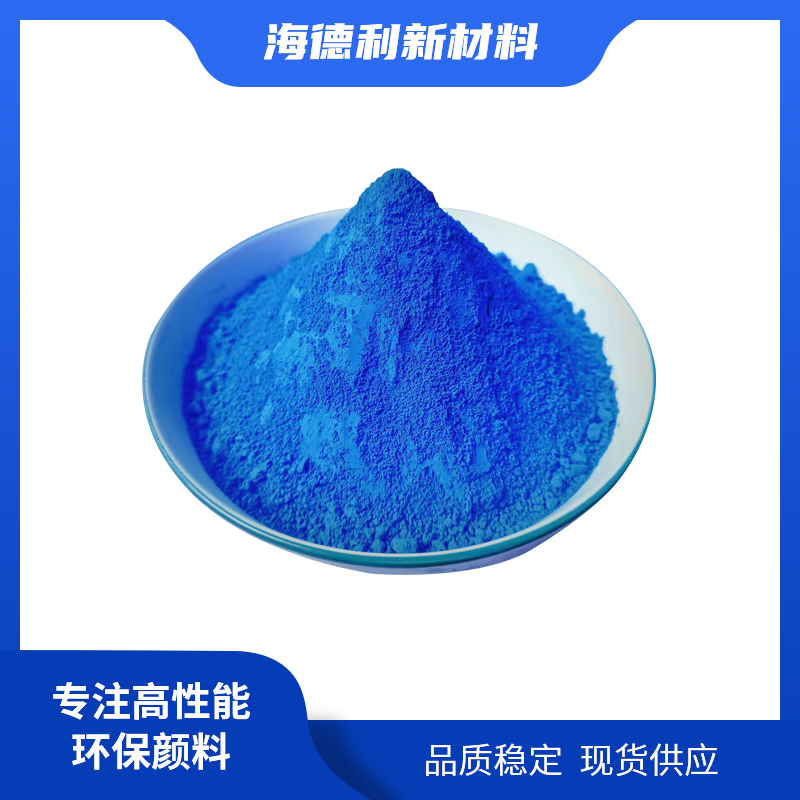
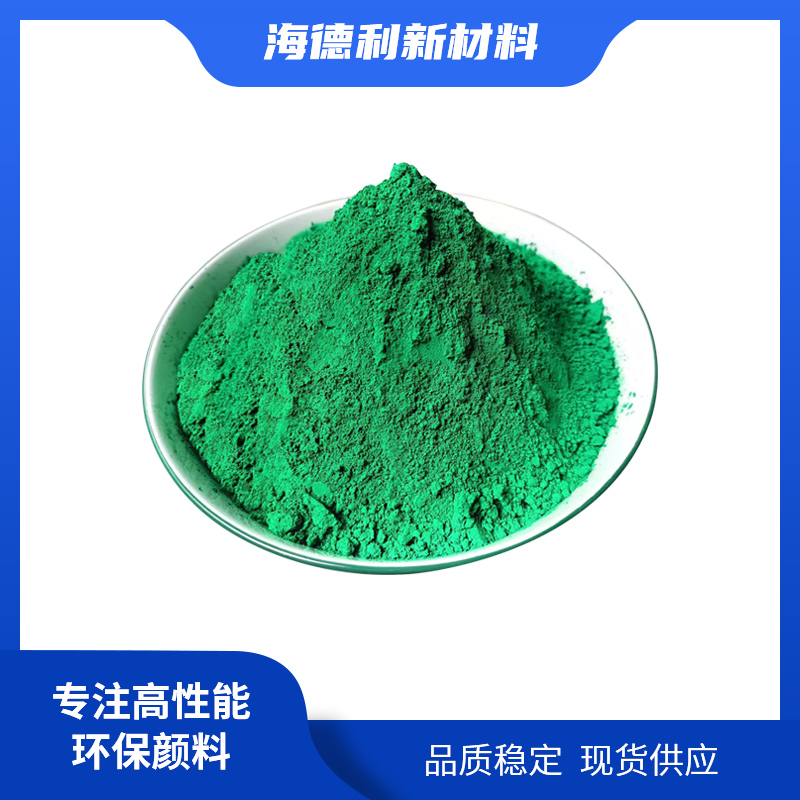
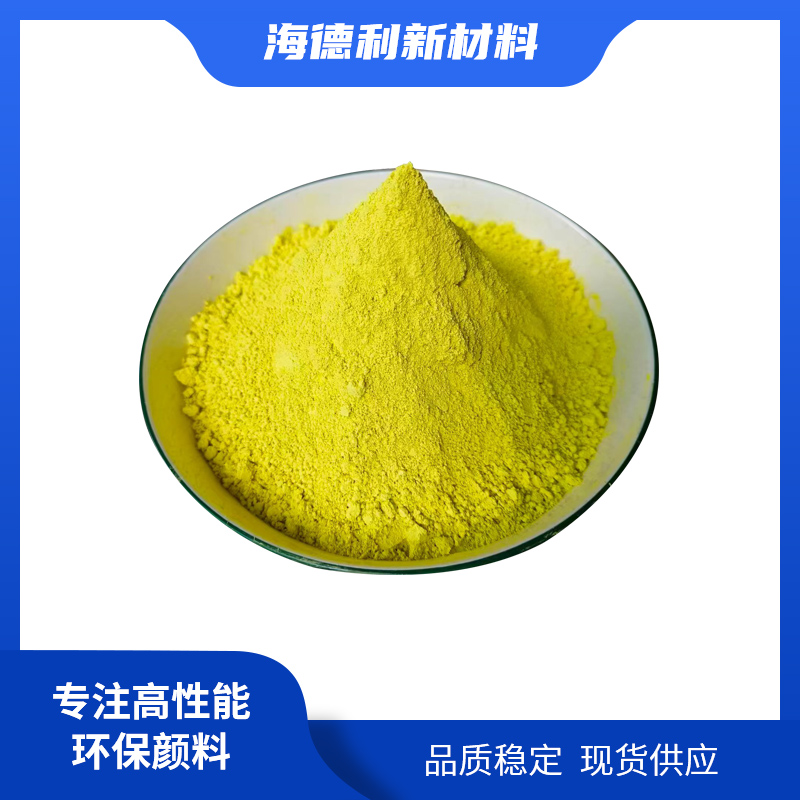
Camouflage coatings are usually composed of base materials, pigments, and auxiliary materials. Common base materials include polyurethane, polyvinyl chloride, etc. Pigments include conductive materials, ferromagnetic materials, infrared reflective pigments, etc., such as graphite, carbon black MgO、FeO 、 Cobalt green, cobalt blue, iron chromium black, etc. Auxiliary materials are used to improve and enhance the physical and mechanical properties, construction performance, surface condition, etc. of coatings. Digital camouflage coating should meet multiple performance requirements, such as viscosity between 80-150S (4 cups coated), solid content not less than 30%, fineness not exceeding 50nm, etc. In terms of spraying technology, the first step is to perform pre-treatment on the workpiece, then spray and dry the vehicle base paint, followed by digital camouflage pattern design and masking, then spray the second color and dry, and so on, spray the third and fourth colors and dry, and finally inspect and store
Infrared reflective pigments are used for reflective insulation coatings
1. Improve thermal insulation performance:
Reflected infrared radiation: Infrared radiation in solar radiation is one of the main sources of heat. Infrared reflective pigments can reflect most of the infrared light back, reducing the absorption of infrared radiation by objects and thus lowering the surface temperature of objects. For example, using infrared reflective pigments in building exterior wall coatings can effectively block the heat of solar radiation from entering the interior during summer, reduce the cooling load of air conditioning, and achieve energy-saving goals
Reduce heat transfer: In addition to reflecting infrared light, infrared reflective pigments can also reduce the thermal conductivity of coatings, reducing the transfer of heat through the coating layer. This means that even if the surface of the object absorbs some heat, it is not easily conducted to the interior of the object, further improving the insulation effect
2. Rich color options:
Breaking through traditional color limitations: Traditional thermal insulation coatings are usually dominated by white or light colors because white pigments have a higher reflectivity for visible and infrared light and have good thermal insulation effects. However, in some architectural designs or industrial applications, dark colored coatings are required to meet aesthetic or special functional requirements. The emergence of infrared reflective pigments enables dark coatings to have good thermal insulation performance, providing designers with a wider range of color choices
Customized special colors: By selecting different infrared reflective pigments or mixing them with other pigments, various special colored reflective insulation coatings can be formulated to meet the personalized needs of different customers. For example, in automotive coatings, infrared reflective pigments can be used to prepare coatings with unique colors and thermal insulation functions, which not only improve the appearance of the car but also reduce the temperature inside the car
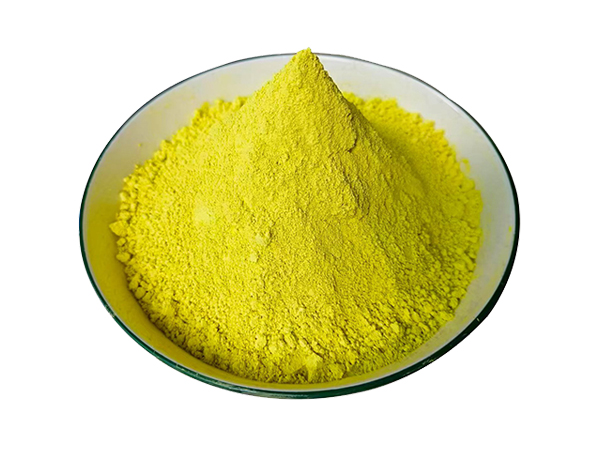
3. Enhance weather resistance:
UV resistance: Ultraviolet radiation from the sun can damage the performance of coatings, leading to issues such as aging, fading, and powdering. Infrared reflective pigments usually have good UV resistance, which can absorb or reflect UV rays, reduce the damage of UV rays to coatings, and extend the service life of coatings
Adapt to harsh environments: In some harsh environmental conditions, such as high temperature, high humidity, acid rain, etc., reflective insulation coatings need to have good weather resistance to maintain their performance. Infrared reflective pigments have high chemical and physical stability, which can maintain good reflective and thermal insulation effects in these harsh environments, improving the reliability and durability of coatings
4. Improve coating performance:
Improving coverage: The particle shape and size distribution of infrared reflective pigments have been optimized and designed to form a good dispersion state in coatings, thereby enhancing the coverage of coatings. This means that using fewer pigments can achieve better coverage and reduce the cost of coatings
Enhanced adhesion: The compatibility between infrared reflective pigments and coating base materials is good, which can enhance the adhesion of coatings, making them less prone to peeling or flaking, and improving the quality and stability of coatings

Mobile Site

Mobile Site
Mr. Ma +86 137-2817-9886
Address: No. 26, Qishi Section, Eastern Expressway, Qishi Town, Dongguan City, Guangdong Province, China
Copyright © 2025 Dongguan Haideli New Materials Co., Ltd. All rights reserved
【Backstage】